Kenya’s efforts to improve sexual and reproductive health are facing a serious challenge after the United States announced it would cut funding to multiple global organisations, including several that play a central role in the country’s health programmes.
The move threatens services that millions of women and young people rely on for maternal care, family planning, and HIV prevention.
On Wednesday, the US government said it would withdraw support from 66 international organisations, among them 31 UN agencies. The United Nations Population Fund (UNFPA), a key partner in Kenya’s fight against teenage pregnancy, maternal deaths, and limited access to reproductive health services, stands to lose substantial backing.
In Kenya, UNFPA supports programmes that include contraceptive distribution, antenatal care, prevention of HIV among adolescents, initiatives to reduce unsafe abortions, and campaigns to lower teenage pregnancies.
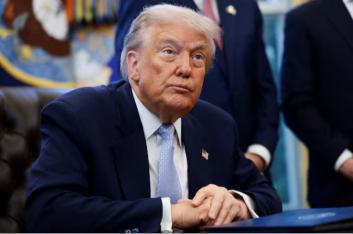
US Secretary of State Marco Rubio explained the reasoning behind the withdrawal.
“The Trump Administration has found these institutions to be redundant in their scope, mismanaged, unnecessary, wasteful, poorly run, captured by the interests of actors advancing their own agendas contrary to our own, or a threat to our nation’s sovereignty, freedoms, and general prosperity,” he said.
He further criticized continued funding. “It is no longer acceptable to be sending these institutions the blood, sweat, and treasure of the American people, with little to nothing to show for it. The days of billions of dollars in taxpayer money flowing to foreign interests at the expense of our people are over.”
This latest decision follows an earlier executive order that led to the closure of the United States Agency for International Development (USAid), signaling a broader retreat from multilateral development efforts.
Historically, the US has been UNFPA’s largest donor, contributing $30.6 million in 2023 to core programmes and over $130 million for humanitarian work. In 2024, US contributions accounted for almost 15 percent of UNFPA’s government revenue worldwide.
The withdrawal comes at a critical time for Kenya. Every year, about 330,000 girls between 15 and 19 become pregnant, while young people aged 15 to 24 account for 42 percent of all new adult HIV infections in the country.
The maternal mortality rate remains high at 362 deaths per 100,000 live births. UNFPA has been central in tackling these challenges through innovative interventions, provision of medical commodities, and technical support to health facilities.
One of its flagship programmes, the Adolescent Sexual and Reproductive Health Development Impact Bond, started with $10.1 million in funding (Sh1.3 billion) and targets 10 counties with high health needs, including Nairobi, Mombasa, Kisumu, and Homa Bay.
The programme uses a digital platform called Tiko to connect vulnerable adolescent girls to free, youth-friendly reproductive health services.
During its pilot phase, the programme reached 362,000 girls, exceeding initial targets by 262 percent. The current phase aims to expand coverage to 500,000 girls and strengthen 300 public health facilities.
It also focuses on ensuring privacy and addressing bias that discourages adolescents from seeking reproductive health services.
Although UNFPA receives support from other donors including the UK, Norway, and Sweden, the US funding cut is expected to create gaps that could hinder the agency from meeting its targets.
For instance, in 2022, UKAid provided £500,000 (about Sh86.7 million) to supply family planning kits to 300 health facilities across Kenya.
The sudden withdrawal raises urgent concerns about the continuity of critical reproductive health programmes and the impact on vulnerable populations, particularly adolescent girls, who rely on these services to stay healthy and avoid early pregnancies.